
 Resources
Teen Stopped Turning In Easy Assignments: Why It Happens and How to Help
Published On 31-10-2026
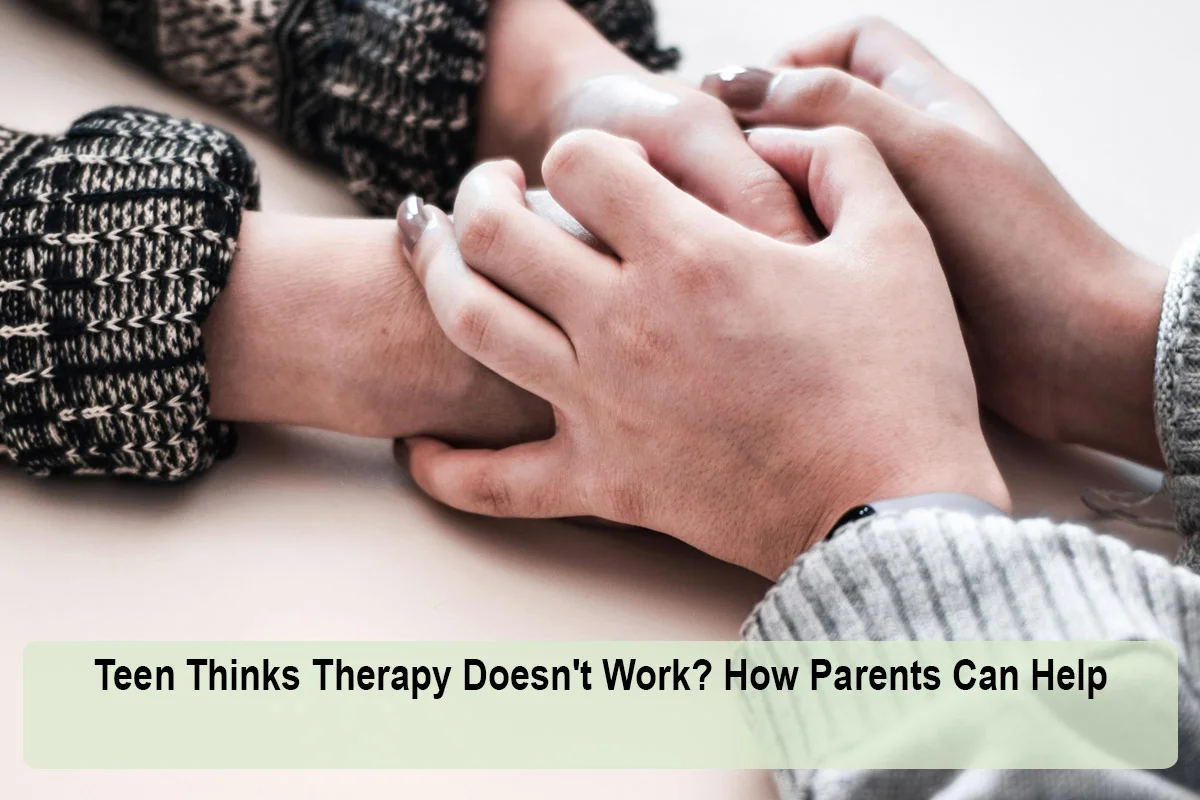
You finally got your teen into therapy. You found someone, sorted out insurance, rearranged schedules. A few weeks later your teen announces, "Therapy doesn't work. I'm not going back." Maybe they sit in silence through sessions, or say the therapist "doesn't get it," or insist they are fine and do not need help. It is discouraging, and it can make you wonder whether you are wasting time and money. But when a teen thinks therapy doesn't work, that belief is usually a starting point for a better conversation, not the end of treatment.
This guide explains why teens often feel therapy is not helping, how to tell a bad fit from normal resistance, what to say, and practical ways to make therapy work better. If your teen is in crisis or talks about suicide, call or text the 988 Suicide and Crisis Lifeline or call 911.
Yes, and the evidence is strong. In a large NIMH-funded study of young people ages 7 to 17 with anxiety, 60% improved after 12 weeks of cognitive behavioral therapy alone, and 81% improved with CBT combined with medication, compared with 24% on placebo. The National Institute of Mental Health notes that many forms of psychotherapy have been shown to reduce symptoms of depression, anxiety and other mental disorders.
Still, many teens who need help do not get it or do not stay with it. According to Healthy People 2030, only about half of adolescents with major depressive episodes received treatment in 2023. When a teen gives up on therapy early, they may miss help that would have worked.
Many teens expect to feel better after one or two sessions. Therapy is more like physical training. Early sessions are often spent getting to know each other and building skills, and progress can feel slow.
Teens brought to therapy by parents may feel controlled or labeled as "the problem." Resisting therapy becomes a way to assert independence.
NIMH stresses that rapport and trust are essential in therapy and that people should feel comfortable with their therapist. A teen who feels judged, talked down to or misunderstood will not open up.
Talk-heavy therapy may not suit a teen who struggles to put feelings into words. A teen with trauma may need trauma-focused treatment, while a teen with ADHD may need skills coaching.
Teens often fear that everything they say will be reported to parents. Until they understand confidentiality rules, they may stay guarded.
Sometimes "therapy doesn't work" really means "therapy is starting to work, and it is uncomfortable." Avoidance can spike when sessions touch on trauma, shame or family conflict.
Depression brings hopelessness ("nothing helps"), anxiety brings avoidance, and some conditions make it hard to trust anyone. The very symptoms therapy is meant to treat can convince a teen it is pointless.
| Normal early resistance | Signs of a poor fit |
|---|---|
| Complains but attends | Dreads every session and feels worse after each one |
| Says it is "boring" or "awkward" | Says the therapist mocks, dismisses or lectures them |
| Slowly shares more over weeks | No connection at all after several months |
| Small changes you can see at home | No progress and no plan to measure progress |
| Therapist adjusts when you share concerns | Therapist dismisses feedback from you or your teen |
| Uncomfortable topics are coming up | Therapist lacks training for your teen's main problem |
Arguing that therapy works usually backfires. Curiosity and choice work better. The techniques in our guide to motivational interviewing questions for teens are especially helpful here.
| Try saying | Avoid saying |
|---|---|
| "What about it feels like it isn't working?" | "You're going whether you like it or not." |
| "If therapy did help, what would be different?" | "You're not even trying." |
| "Would a different therapist or style feel better?" | "We're paying a lot for this, so you'd better use it." |
| "What would you want to work on, if it were your choice?" | "The therapist says you're the problem." |
| "It's okay to tell the therapist it isn't helping." | "What did you talk about? Tell me everything." |
Involve your teen in choosing the therapist. Many therapists offer a brief consultation call. Let your teen meet two or three and pick the one they connect with most.
NIMH suggests asking whether the therapist recommends a time frame or number of sessions and how progress will be measured. Clear, teen-chosen goals, such as "fewer fights with Mom" or "sleeping better," make progress easier to see.
Ask the therapist to explain to your teen, in your presence, what stays private and what must be shared, such as safety concerns. Knowing the rules helps teens open up.
Tell your teen it is okay to say "This isn't helping" directly to the therapist. Good therapists welcome feedback and adjust.
If talk therapy is not landing, other evidence-informed options exist:
Sessions scheduled during a favorite activity or right after a stressful school day can breed resentment. Telehealth may suit some teens better, while others need in-person connection.
If appropriate, share that you have seen a therapist or plan to. Teens are more willing when therapy is not framed as a punishment or something only "broken" people do.
Some situations require ongoing treatment even if your teen objects: self-harm, suicidal thoughts, eating disorders, substance use, severe depression, psychosis or dangerous behavior. In these cases, safety comes first. You can still give your teen choices within treatment, such as which therapist or which day, while making clear that stopping is not an option. If your teen has been through a crisis, see our guides on inpatient treatment for suicidal teens and self-harm relapse.
Therapy happens for about an hour a week; the rest of the week happens at home. Ask your teen's therapist what skills they are practicing and how you can reinforce them without hovering. Avoid quizzing your teen after each session. A simple "How are you feeling?" respects their privacy. Notice and name small changes you see, such as a calmer response or a better morning. Attend family or parent sessions when invited, and be open to feedback about your own patterns. Teens are more likely to keep going when they see parents working on change too.
Lily, 16, saw a therapist for four months for anxiety and declared it useless. "We just talk about my week." Her dad asked what she would want instead. Lily said she wanted actual tools for panic attacks. They shared that feedback with the therapist, who shifted to structured CBT with exposure practice and weekly goals. Lily also learned that her therapist would not report everything she said to her parents. Within two months, she was riding the school bus again, something she had avoided for a year. "Therapy doesn't work" had really meant "this kind of therapy isn't working for me."
If weekly therapy has truly been tried, with a good fit, the right approach and enough time, and your teen is still struggling, more intensive treatment may be needed. Options include an intensive outpatient program, partial hospitalization or residential treatment, where teens receive several types of therapy each week and peer support. Adolescent programs include Nexus Teen Academy Oak, Polaris Teen Center and Hillcrest Adolescent Treatment Center; confirm the program serves your teen's age and needs. You can also browse programs for adolescents, search FindTreatment.gov or call the SAMHSA National Helpline at 1-800-662-4357.
When a teen thinks therapy doesn't work, the problem is usually the fit, the approach, unclear goals or the symptoms themselves, not therapy as a whole. Listen to your teen's complaints, give them a voice in choosing a therapist, ask about goals and progress, and be willing to try a different style. Keep treatment non-negotiable when safety is at stake. With the right match, most teens find that therapy does help, sometimes in ways they did not expect.
This article was reviewed by the RehabsNearMe Editorial Team for accuracy, clarity, and relevance. Information may be sourced from publicly available treatment resources, government agencies, and healthcare references where applicable.
Last reviewed: November 2026
Resources
 Resources
 Resources
 Resources