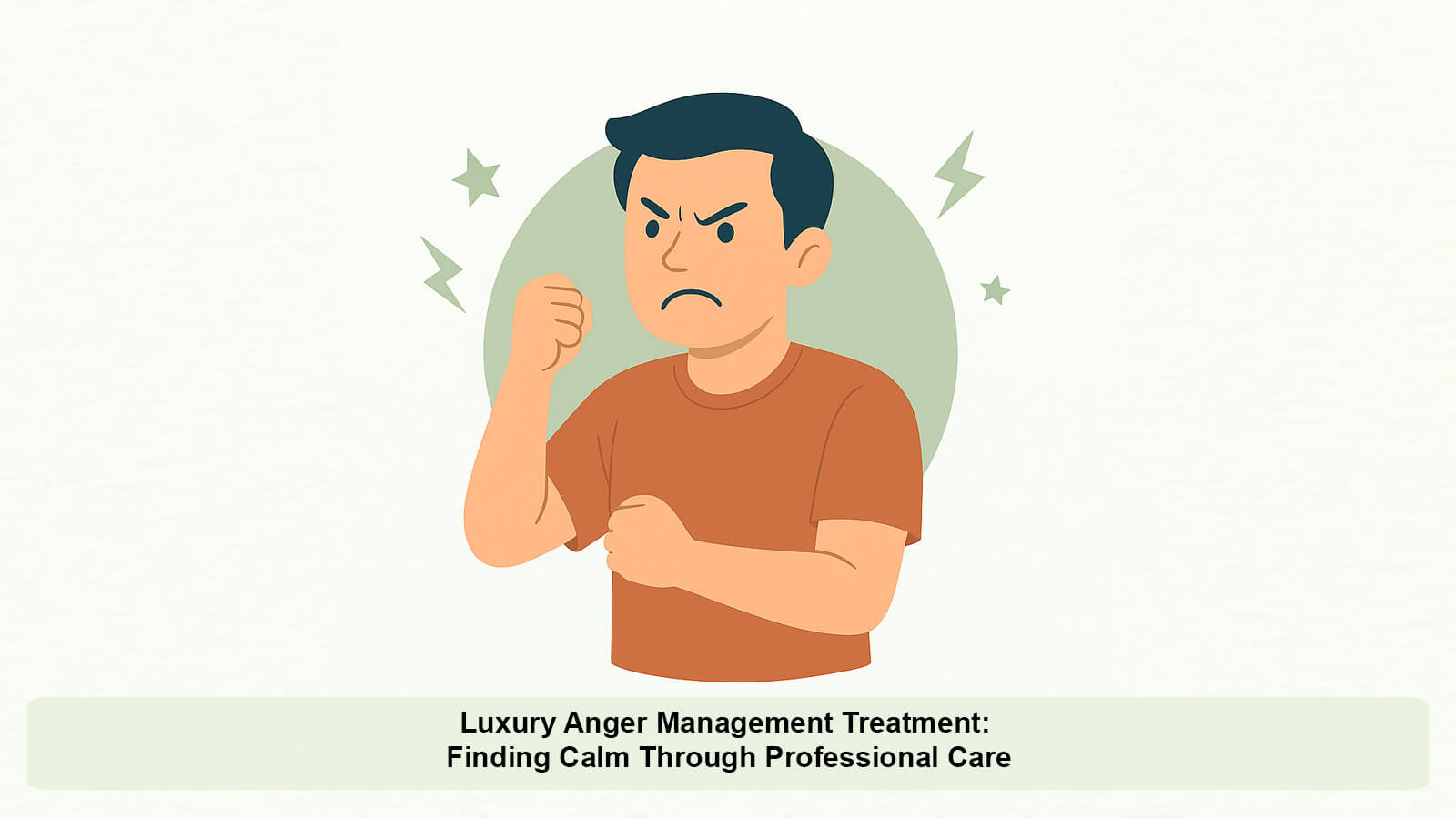
Everyone feels angry at times — it’s part of being human. When managed well, anger can motivate change, help you express boundaries, and encourage self-advocacy. But when anger becomes chronic or uncontrollable, it can begin to dominate your emotions, relationships, and daily life.
If it feels like rage is controlling you instead of the other way around, a luxury anger management treatment program can help. In a private, restorative setting, you’ll learn the tools to understand your emotions, release tension, and respond calmly under pressure.
Anger itself isn’t dangerous — it’s an emotional signal that something feels unfair or threatening. Aggression, on the other hand, is the behavior that often follows unmanaged anger. You can feel anger without acting on it.
The goal of treatment isn’t to suppress emotion, but to learn how to express it in a healthy way. In therapy, clients learn how to communicate assertively rather than reactively, turning anger into awareness rather than aggression.
Psychologists often distinguish between two main types of anger:
- State Anger: A temporary emotional reaction triggered by external events, such as frustration in traffic or disagreement at work.
- Trait Anger: A more consistent emotional pattern where anger surfaces easily and often, even without clear provocation.
Trait anger can make everyday life feel overwhelming — and may stem from unresolved trauma, chronic stress, or underlying mental health conditions. Professional treatment helps clients uncover these roots and create new emotional pathways.
In some cases, anger develops into a diagnosable mental health condition. Common anger-related disorders include:
Usually beginning in childhood, ODD involves chronic irritability and defiance toward authority figures. Early therapeutic intervention can prevent this from evolving into more severe behavioral patterns.
A more serious form of emotional dysregulation, CD includes aggressive or destructive behaviors that may continue into adulthood if untreated.
Individuals with IED experience sudden, intense episodes of anger that may lead to verbal or physical aggression. Treatment focuses on regulating impulses, identifying triggers, and developing coping tools.
At luxury treatment centers, clients receive individualized therapy supported by evidence-based and holistic approaches. Some of the most effective include:
- Cognitive Behavioral Therapy (CBT): Identifies and reframes the negative thought patterns that lead to anger.
- Dialectical Behavior Therapy (DBT): Combines mindfulness and emotional regulation skills to reduce impulsive reactions.
- Mindfulness-Based Cognitive Therapy (MBCT): Merges CBT and mindfulness to improve awareness, acceptance, and calm.
- Family Therapy: Helps rebuild trust and communication between loved ones.
By combining these methods with complementary therapies such as yoga, biofeedback, and meditation, clients achieve balance in both mind and body.
Anger often coexists with other emotional or behavioral challenges — known as dual diagnosis. Many individuals struggling with anger also face substance use disorders, depression, anxiety, or PTSD.
Without treating both conditions, progress can stall. Integrated programs address all aspects of a client’s health — emotional, physical, and psychological — leading to long-term recovery and greater emotional stability.
When appropriate, psychiatrists may recommend medication to help regulate mood or reduce emotional volatility. SSRIs (Selective Serotonin Reuptake Inhibitors) and other antidepressants can support clients dealing with anger tied to anxiety or depression.
At a luxury rehab, all medications are carefully prescribed, monitored, and adjusted by board-certified physicians to ensure optimal results with minimal side effects.
Healing from anger doesn’t end when treatment concludes. Luxury rehabs provide robust aftercare programs, including virtual therapy, alumni communities, and individualized wellness plans.
Clients are encouraged to maintain habits such as:
- Daily mindfulness or meditation practice
- Regular physical activity for stress reduction
- Journaling emotional triggers
- Ongoing therapy or support groups
- Healthy communication and boundary-setting
- These practices build resilience and help prevent future emotional overwhelm.
Choosing a luxury anger treatment program means healing in an environment designed for comfort, privacy, and renewal. Clients enjoy private accommodations, chef-prepared meals, spa and fitness amenities, and round-the-clock support from leading clinicians and wellness experts.
Here, recovery is discreet, personalized, and deeply restorative — helping clients not only manage anger but rediscover balance, purpose, and peace.
Frequently asked questions
Luxury anger treatment programs help clients identify the emotional, psychological, and physiological roots of anger. These programs combine clinical therapy, holistic care, and personalized wellness planning for total mind-body healing.
If anger is disrupting your relationships, career, or peace of mind — or leading to aggression or regret — it may be time to seek professional help.
Program lengths vary, typically ranging from 30 to 90 days for residential treatment, with ongoing outpatient or virtual support afterward.
Yes. Many luxury centers provide dual diagnosis treatment, addressing both anger and substance use simultaneously for comprehensive recovery.
Aftercare includes ongoing therapy, relapse prevention planning, alumni support, and continued access to clinicians to ensure lasting emotional wellness.
This article was reviewed by the RehabsNearMe Editorial Team for accuracy, clarity, and relevance. Information may be sourced from publicly available treatment resources, government agencies, and healthcare references where applicable.
Last reviewed: November 2025