Loading...

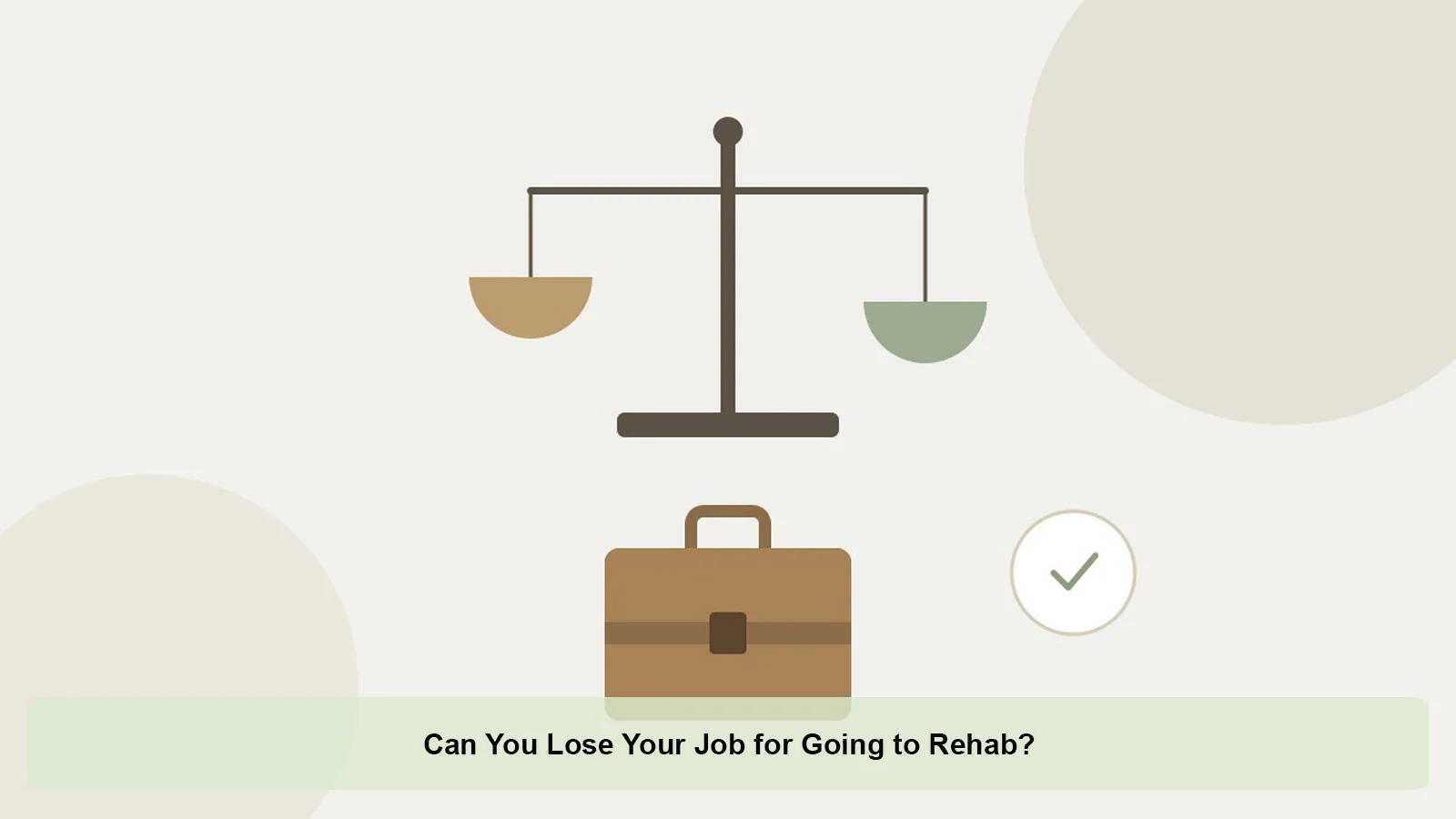
Can You Lose Your Job for Going to Rehab?

Resources
Published On 01-08-2026
3 min read

Published by RehabsNearMe Research & Editorial Team

Can You Lose Your Job for Going to Rehab?

Fear of losing a job is one of the most common reasons people delay getting help. It's a legitimate concern, but it's also one that's often based on incomplete information. There are real legal protections in the U.S. that apply to addiction treatment along with real limits to what they cover. Here's a clear-eyed breakdown, not legal advice, but a starting point for understanding your position before you talk to HR or an employment attorney.

The Two Laws That Matter Most

The Family and Medical Leave Act (FMLA)

FMLA allows eligible employees to take up to 12 weeks of unpaid, job-protected leave per year for a serious health condition and addiction treatment can qualify as one, provided it involves inpatient care or continuing treatment by a healthcare provider.

To be eligible, you generally need to meet all of the following:

  • Work for an employer with 50 or more employees within a 75-mile radius
  • Have worked for that employer for at least 12 months
  • Have worked at least 1,250 hours in the past 12 months

If eligible, your job or an equivalent position is legally protected while you're on leave, and your group health insurance must continue under the same terms as if you were working.

The Americans with Disabilities Act (ADA)

The ADA protects people who are in recovery or currently seeking treatment from discrimination, and can require employers to provide "reasonable accommodations" which might include a modified schedule to attend outpatient treatment or support group meetings.

Important nuance: the ADA's protection generally applies to people who are not currently using illegal drugs. Someone actively using illegal substances is typically not protected under the ADA in the same way, though this changes once a person is in treatment or in recovery. Alcohol use disorder is treated somewhat differently, since alcohol itself is legal, but any performance or conduct issues tied to it are usually still evaluated separately from the disability protection itself.

What These Laws Do Not Guarantee

  • Paid leave. FMLA leave is unpaid unless you use accrued PTO or your employer offers a separate paid leave benefit, or your state has its own paid family/medical leave program.
  • Protection at every employer. Smaller companies below the 50-employee threshold aren't bound by FMLA, though some state laws fill this gap it's worth checking your specific state's leave laws.
  • Immunity from performance-based termination. If someone is terminated for a legitimate, documented performance or conduct issue unrelated to taking leave, FMLA and ADA protections don't shield them from that separate justification.
  • Confidentiality from every manager. HR is generally required to handle medical information confidentially, but depending on how leave is requested and documented, some level of disclosure may be unavoidable within an organization.

How to Approach the Conversation With an Employer

  1. Check your eligibility first. Confirm whether your employer is FMLA-covered and whether you meet the tenure/hours requirements, ideally before initiating the conversation.
  2. You don't have to disclose full details upfront. You can typically request medical leave without specifying "addiction treatment" explicitly in the initial request a healthcare provider's certification is usually what formalizes the reason, and that documentation is handled through HR's medical leave process, not necessarily shared with your direct manager.
  3. Get everything in writing. Once leave is approved, request written confirmation of the terms, including duration and return-to-work expectations.
  4. Loop in your treatment facility's admissions or case management team. Many are experienced in helping clients navigate FMLA paperwork and can provide the documentation needed for certification.

State-Level Protections Worth Checking

Several states have their own paid family and medical leave programs California, New York, New Jersey, and Washington are among them which can offer partial wage replacement during leave that FMLA alone doesn't provide. Eligibility rules and benefit amounts vary significantly by state, so checking your specific state's labor department website is worth the time.

What If You've Already Faced Discrimination or Termination?

If you believe you were terminated or discriminated against specifically because you sought treatment or disclosed a substance use disorder, this may fall under wrongful termination or ADA discrimination claims. The Equal Employment Opportunity Commission (EEOC) handles ADA-related complaints, and an employment attorney can help assess whether a specific situation has legal standing this is genuinely case-specific, and general information like this can't substitute for that assessment.

Frequently asked questions

Generally, you're not required to disclose a specific diagnosis to your employer directly your healthcare provider typically certifies the medical necessity of leave through HR's formal FMLA process, which involves a different level of confidentiality than a conversation with your manager.

FMLA wouldn't apply, but it's worth checking your state's specific leave laws, as several states have broader protections that cover smaller employers than federal FMLA does.

If you're ADA-eligible and the accommodation (like a modified schedule) is reasonable and doesn't cause undue hardship to the employer, termination solely for that reason could raise a valid discrimination claim though the specifics matter significantly here.

FMLA can cover both, as long as the treatment involves ongoing care by a healthcare provider and meets the law's definition of a serious health condition inpatient care isn't strictly required, though it more clearly qualifies.

Yes under FMLA, your employer must maintain your group health coverage under the same terms as if you were actively working, for the duration of the leave.

FMLA provides up to 12 weeks total per 12-month period, which can be used for a single continuous leave or, in some cases, intermittently but it doesn't reset for every new situation within that same 12-month window.

This article was reviewed by the RehabsNearMe Editorial Team for accuracy, clarity, and relevance. Information may be sourced from publicly available treatment resources, government agencies, and healthcare references where applicable.

Last reviewed: August 2026

Related articles

Top