
 Resources
Teen Avoids Family Outings Due to Low Mood: What Parents Can Do
Published On 02-11-2026
If your teen is hurting someone, threatening violence or in danger right now, call 911. If they talk about suicide, call or text the 988 Suicide and Crisis Lifeline.
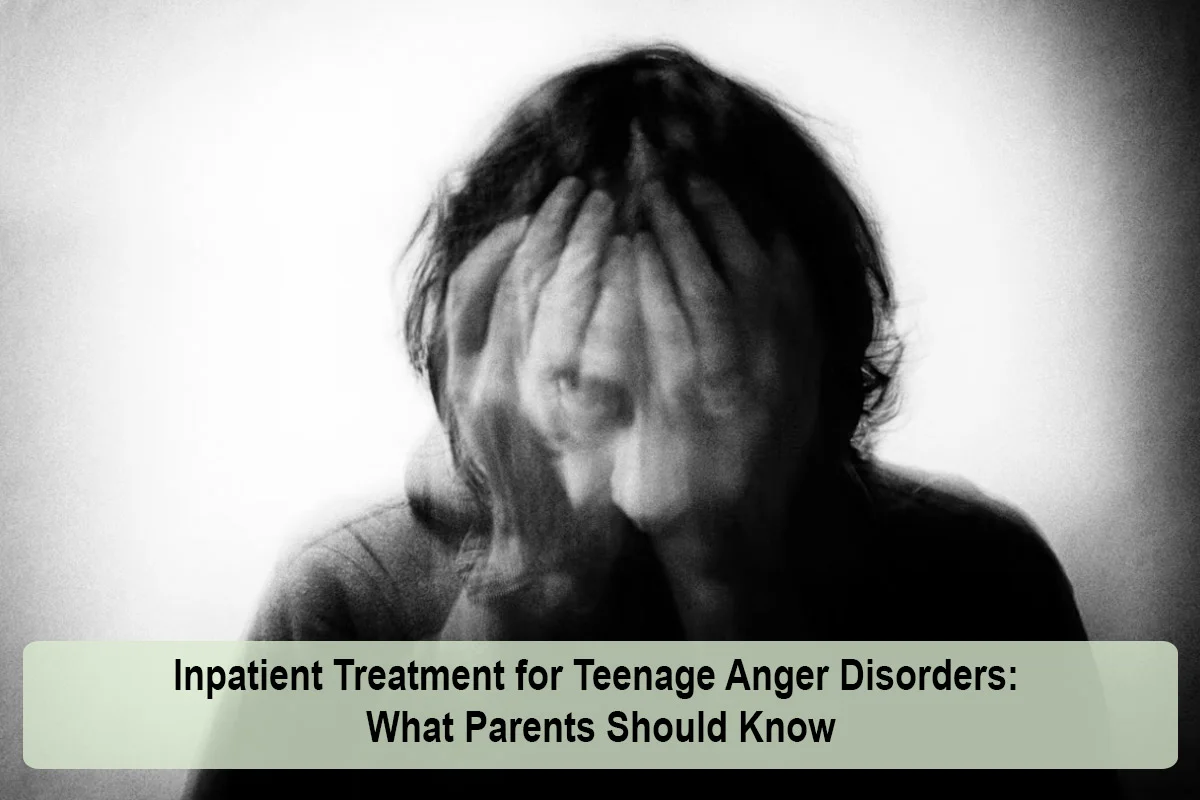
Many parents of angry teens reach a breaking point. Outbursts have turned into holes in walls, threats, shoving or fights. Siblings are scared. Therapy once a week has not been enough. You may be searching for inpatient treatment for teenage anger disorders and wondering what it actually involves, whether it is the right step and what happens when your teen comes home. This guide walks through when a higher level of care is needed, what inpatient and residential programs look like, the therapies used, the benefits and challenges, and how to plan the transition back home.
"Anger disorder" is not a single diagnosis. Severe, hard-to-control anger in teens usually shows up as part of one of these conditions:
Severe anger is common and often untreated. In a nationally representative US survey of adolescents published in Archives of General Psychiatry, nearly two-thirds of teens reported lifetime anger attacks that involved destroying property, threatening violence or engaging in violence. Among teens with intermittent explosive disorder in the past year, the average age of onset was 12, and only 6.5% had been treated specifically for anger.
Parents often use "inpatient" to mean any program where a teen stays overnight. Programs use the terms differently, so it helps to know the main options.
| Level of care | Purpose | Typical length | Best for |
|---|---|---|---|
| Inpatient psychiatric hospital | Short-term crisis stabilization and safety | Days to a few weeks | Imminent danger to self or others |
| Residential treatment | Longer-term therapy and skill-building in a live-in setting | Weeks to months | Ongoing aggression that outpatient care has not helped |
| Partial hospitalization (PHP) | Full-day treatment, home at night | Several weeks | Step-down or teens safe at home overnight |
| Intensive outpatient (IOP) | Several sessions a week | Weeks to months | Teens who can attend school and stay safe |
For more on these terms, see what an RTC is in mental health.
If there is immediate danger, the emergency room and inpatient psychiatric care come first. Residential treatment is usually the next step for teens who need a longer, structured setting to build new skills.
Admission typically begins with a psychiatric evaluation, medical screening and a review of history from parents, school and previous providers. Staff assess safety, substance use, trauma and co-occurring conditions, then build an individualized treatment plan with clear goals.
Structure is part of treatment. A typical day includes a set wake time, meals, school or academic time, individual therapy, group skills sessions, physical activity, recreation, family contact at scheduled times and a consistent bedtime. Predictability helps teens whose anger flares with chaos and transitions.
There is no medication approved specifically for anger, but a psychiatrist may treat underlying conditions. For DMDD, NIMH's fact sheet notes that stimulants may reduce irritability, that antidepressants require close monitoring for suicidal thoughts in youth, and that atypical antipsychotics are usually reserved for severe aggression after other approaches have not worked because of side effects. A structured setting allows careful monitoring of any medication changes.
| Time | Activity |
|---|---|
| 7:00 a.m. | Wake up, hygiene, breakfast |
| 8:30 a.m. | School or academic support |
| 12:00 p.m. | Lunch and free time |
| 1:00 p.m. | Group therapy: anger skills or DBT |
| 2:30 p.m. | Individual therapy or psychiatry check-in |
| 3:30 p.m. | Physical activity or recreation therapy |
| 5:30 p.m. | Dinner |
| 6:30 p.m. | Family call or family therapy session |
| 8:00 p.m. | Homework, reflection or journaling |
| 9:30 p.m. | Lights out |
Schedules vary, but most programs follow a similar rhythm of school, therapy, activity and rest.
Gather records from doctors, therapists and school, along with a list of medications and a timeline of incidents. Verify insurance coverage and ask about out-of-pocket costs. Explain the decision to your teen calmly and honestly, without threats. Prepare siblings, who may feel relief, guilt or worry. And arrange support for yourself, since many parents feel exhausted and conflicted when a child enters treatment.
Stay involved and speak up if you notice concerning practices, such as long periods of isolation, cutting off family contact as punishment, lack of licensed clinical staff or little communication about your teen's progress. A good program welcomes questions and keeps families informed.
Be wary of programs that rely on fear, isolation or harsh punishment. MedlinePlus notes that there is no research supporting boot camps for conduct problems, and that treatment involving the family is more effective.
The weeks after discharge are critical. A strong transition plan includes:
Expect some setbacks. A single outburst does not mean treatment failed. Use it to adjust the plan with your teen's therapist.
| Try saying | Avoid saying |
|---|---|
| "We love you, and we want everyone, including you, to be safe." | "We're sending you away because you're out of control." |
| "This is a place to learn skills that will make life easier." | "This is your punishment." |
| "We'll be part of this with you every step." | "Don't call us until you've changed." |
Browse anger treatment programs, residential treatment and programs for adolescents on rehabsnearme.ai. Teen programs include MK Boys Academy, Polaris Teen Center and Hillcrest Adolescent Treatment Center; confirm each program's level of care, approach to aggression and ages served. You can also search FindTreatment.gov or call the SAMHSA National Helpline at 1-800-662-4357. For a suicidal crisis, see inpatient treatment for suicidal teens.
Living with a teen's explosive anger is exhausting and frightening. Many parents feel guilt about seeking a higher level of care, grief about time apart and relief that everyone is safer. All of these feelings are normal. Use the time your teen is in treatment to attend family sessions, learn new skills, repair relationships with siblings and rest. Support groups for parents and your own therapy can help you return to family life with more energy and a clear plan.
Inpatient treatment for teenage anger disorders is for teens whose aggression puts themselves or others at risk or has not improved with outpatient care. Short-term inpatient care stabilizes a crisis, while residential treatment builds lasting skills through structure, daily therapy and family involvement. Choose a licensed, family-centered program, plan the transition home carefully and keep practicing skills after discharge. With the right level of care, many teens learn to manage anger and rebuild trust at home.
This article was reviewed by the RehabsNearMe Editorial Team for accuracy, clarity, and relevance. Information may be sourced from publicly available treatment resources, government agencies, and healthcare references where applicable.
Last reviewed: November 2026
Resources
 Resources
 Resources
 Resources