
 Resources
Benefits of Teen Meditation: What the Research Shows
Published On 01-11-2026
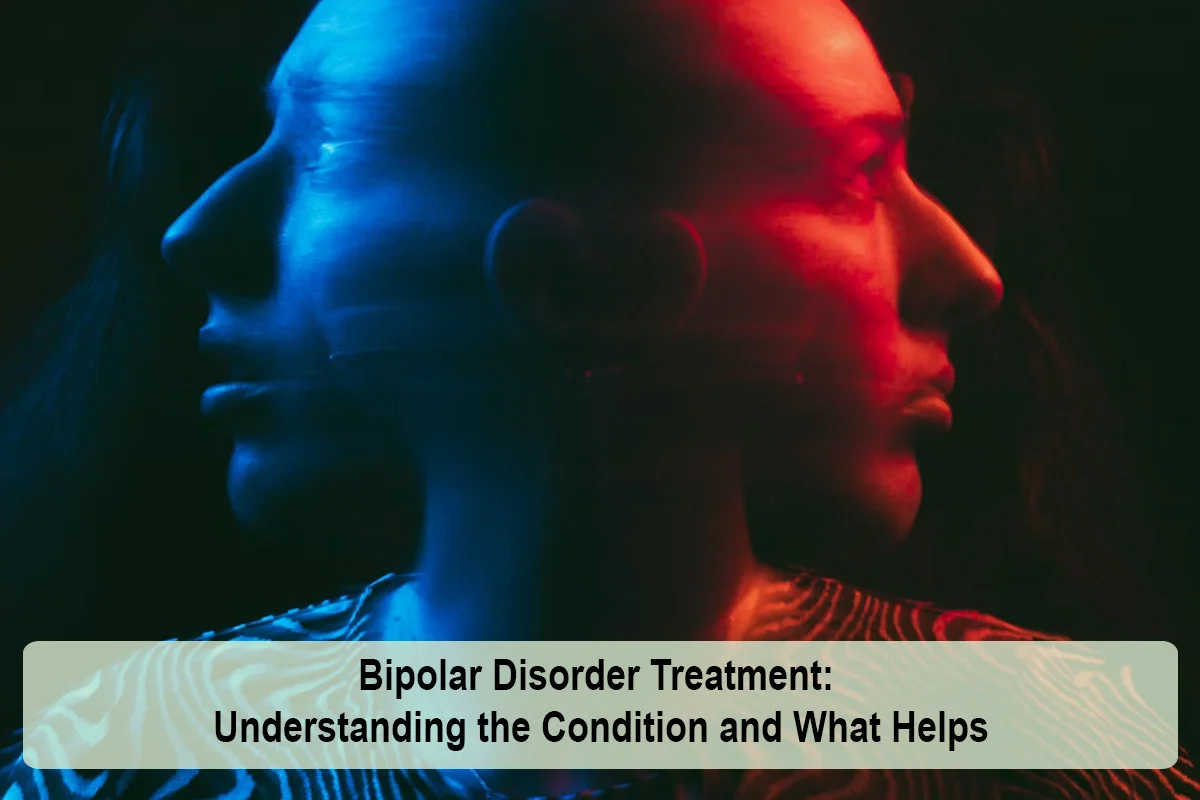
Bipolar disorder affects an estimated 2.8% of U.S. adults in any given year, and according to the National Institute of Mental Health, it carries the highest rate of serious functional impairment of any mood disorder. It's also frequently misdiagnosed, often first treated as depression alone, which can delay effective care by years. This guide covers the different types of bipolar disorder, what's driving the condition, which treatments have real evidence behind them, and when a more structured or residential level of care is worth considering.
Bipolar disorder involves extreme shifts in mood, energy, and activity levels that go well beyond ordinary ups and downs. These episodes affect sleep, judgment, behavior, and the ability to function day to day, and they're driven by underlying neurobiological factors rather than simple mood swings. Twin studies consistently show heritability estimates above 70%, making bipolar disorder one of the more strongly genetic mental health conditions, though environmental factors such as chronic stress, trauma, and substance use also shape when and how severely it presents.
| Type | Defining Pattern |
|---|---|
| Bipolar I Disorder | At least one manic episode lasting seven days or longer, or severe enough to require hospitalization; may include psychosis. Depressive episodes are common but not required for diagnosis. |
| Bipolar II Disorder | At least one hypomanic episode and one major depressive episode. Hypomania is less severe than full mania and can feel productive, which is part of why this type is frequently mistaken for depression alone. |
| Cyclothymic Disorder | Chronic mood fluctuations that don't meet full criteria for mania or major depression, but persist for two years or more and can still meaningfully disrupt daily life. |
Getting the type right matters because treatment approaches differ, and an incorrect diagnosis, particularly mistaking bipolar II for unipolar depression, can lead to antidepressant-only treatment that in some cases triggers or worsens manic symptoms.
Bipolar disorder is commonly misdiagnosed at first, most often as major depression, since people are far more likely to seek help during a depressive episode than during hypomania or mania, which can feel energizing rather than distressing. A thorough psychiatric evaluation, including a detailed history of past mood episodes rather than just current symptoms, is what typically catches this. Genetic testing and neurological workups are sometimes used by specialty programs to rule out other contributing factors, though they're not a substitute for a careful clinical history.
Bipolar disorder is a highly treatable condition when it's addressed with the right combination of care. Clinical practice guidelines consistently point to a few core components:
Many people manage bipolar disorder effectively through outpatient psychiatric care and consistent therapy, including regular bipolar medication management and weekly sessions. A more intensive or residential bipolar treatment program becomes worth considering when:
What a structured or residential setting adds beyond outpatient care is daily psychiatric oversight, closer medication monitoring during adjustment periods, and a controlled environment that removes some of the destabilizing factors, disrupted sleep, unpredictable schedules, that can worsen mood episodes.
Substance use disorders, anxiety, PTSD, and ADHD frequently occur alongside bipolar disorder. Treating these conditions in isolation from one another tends to produce weaker outcomes than integrated care. Our dual-diagnosis treatment resources cover how coordinated care for bipolar disorder and a co-occurring condition is typically structured.
Bipolar disorder is a lifelong condition, but that doesn't mean life is defined by instability. Long-term management typically includes ongoing psychiatric follow-up, ongoing therapy rather than a fixed endpoint, a relapse-prevention plan that identifies early warning signs of an emerging episode, and consistent sleep and routine habits, since disrupted sleep is one of the more reliable triggers for both manic and depressive episodes. You can start exploring options through our bipolar disorder treatment resources.
This article was reviewed by the RehabsNearMe Editorial Team for accuracy, clarity, and relevance. Information may be sourced from publicly available treatment resources, government agencies, and healthcare references where applicable.
Last reviewed: September 2026
Resources
 Resources
 Resources
 Resources